

Futurist Jonathan Brill Says People, Not Computers, Will Set Companies Apart in the AI Era on Tomorrow, Today
News originally published by
EIN Presswire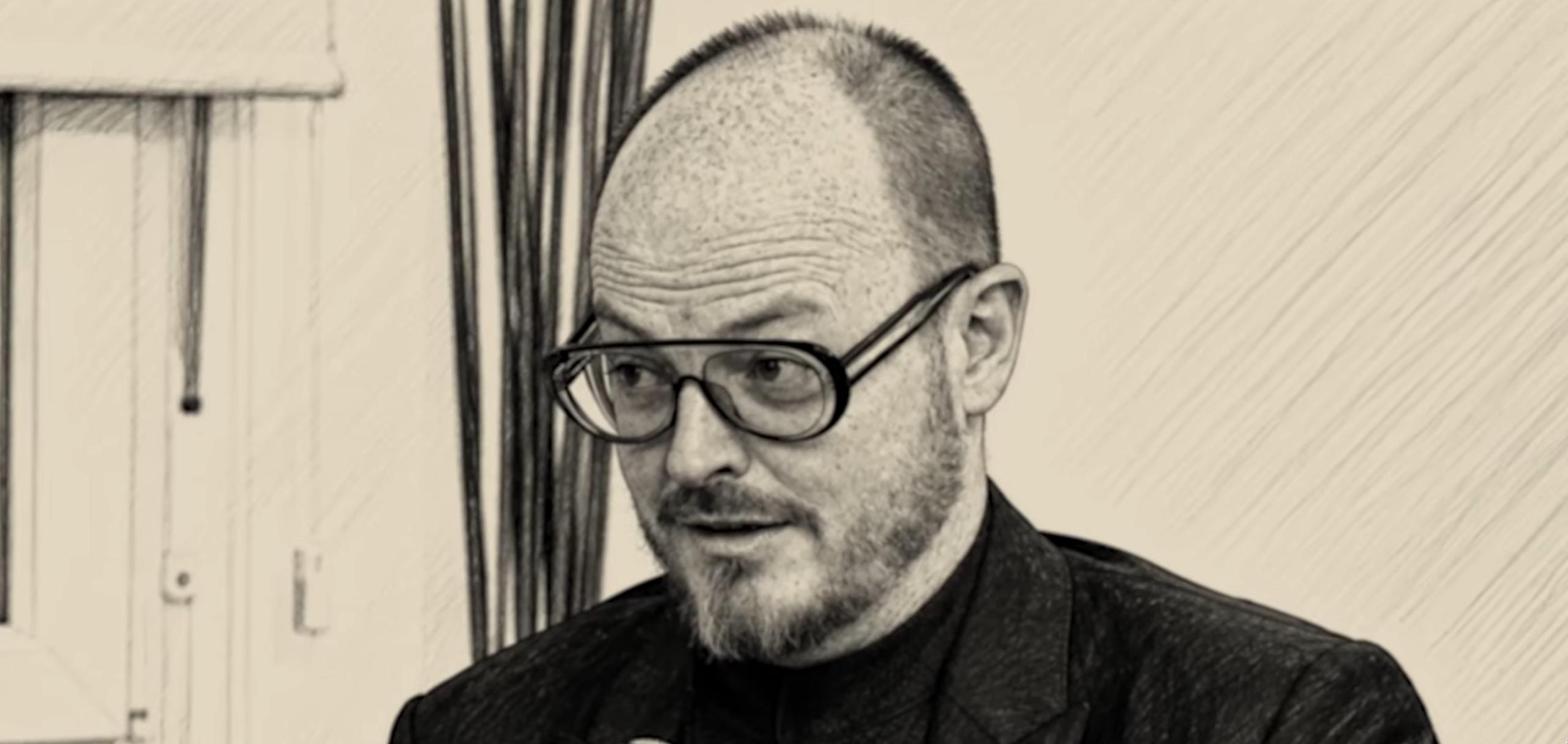
Jonathan Brill discusses AI in 2030, invention and business resilience on Tomorrow, Today.
Jonathan Brill discusses following the physics of AI to 2030, why timing decides an invention's fate and how companies can turn disruption into opportunity.
Brill says in the episode that he grew up between a fishing village in Maine and Cambridge, Massachusetts, and that seeing both worlds early taught him how much opportunity depends on the networks people live in. He describes studying industrial design at Pratt Institute, working with inventor Ted Selker at the MIT Media Lab for several years and later advising senior leadership at HP.
Topics covered in the episode include:
- His "follow the physics" approach, which forecasts what is possible by looking at how quickly computing, networks, energy and enterprise purchasing can scale
- Why timing, cost and sales channels often decide an invention's fate before the quality of the idea does
- The difference between feature innovation and new product or platform innovation, and the value of narrowing many prototypes down to a few
- How companies that invest in strategic resilience can turn outside disruption into opportunity, a central theme of "Rogue Waves"
- How AI could spread context and decision-making across organizations, the idea behind "AI and the Octopus Organization"
- Automation, edge cases and how self-driving trucks could reshape supply chains
- Why he believes the space economy and biotechnology are still underestimated
Brill forecasts that by 2030, AI tools could deliver roughly 30 times more value per dollar than they do today. Because the cost of innovating will fall for everyone, he argues, the technology will become a requirement rather than a lasting advantage for most companies. "In that world, what's your differentiator? Is it your computers? No, it's your people," Brill said. He added that customers will expect more customization, which he believes will create more edge cases for people to manage.
Asked which AI capability could change the most, Brill pointed to large-group coordination and decision-making, including helping information travel between frontline employees and senior leaders.
The conversation also turned to trust as a challenge for companies deploying AI agents. "Trust is a temporal thing. You keep performing in a very reliable way whatever you're supposed to do, and if you break that covenant, once the trust is lost, it's a downward slope," said Shekhar Natarajan, host of Tomorrow, Today.
The full episode is available on YouTube: https://www.youtube.com/watch?v=xcs0h0QErsg
About Tomorrow, Today
Tomorrow, Today is a long-form interview series created and hosted by Shekhar Natarajan. The show features conversations with entrepreneurs, innovators, policymakers, scientists, educators and thought leaders on the technologies, ideas and decisions shaping the future, from artificial intelligence and business to leadership and education. Episodes are available on YouTube and major podcast platforms.
About Jonathan Brill
Jonathan Brill is a futurist, inventor and author who founded and serves as executive chairman of the Center for Radical Change. He previously served as global futurist at HP, and his invention and design work spans more than 300 products. He studied industrial design at Pratt Institute. His books include "Rogue Waves: Future-Proof Your Business to Survive and Profit from Radical Change" (McGraw Hill, 2021) and "AI and the Octopus Organization: Building the Superintelligent Firm."
About Shekhar Natarajan
Shekhar Natarajan is the founder and host of Tomorrow, Today and a former senior executive at American Eagle, Walmart, Target and Disney, where he led global initiatives in technology and supply chain strategy.
Shekhar Natarajan
Tomorrow Today Media
Visit us on social media:
LinkedIn
Instagram
Facebook
YouTube
X
Other
Jonathan Brill x Shekhar Natarajan | Tomorrow, Today
Legal Disclaimer:
EIN Presswire provides this news content "as is" without warranty of any kind. We do not accept any responsibility or liability for the accuracy, content, images, videos, licenses, completeness, legality, or reliability of the information contained in this article. If you have any complaints or copyright issues related to this article, kindly contact the author above.
